Kaelene McCaull, Head of Primary
If you have ever attended a Primary assembly, joined us for a special event, or spent time in our Primary classrooms, you may have come across the term WHOK. It is a phrase we regularly use with our students to remind them of the values and character traits we seek to nurture as they learn and grow in God’s world.
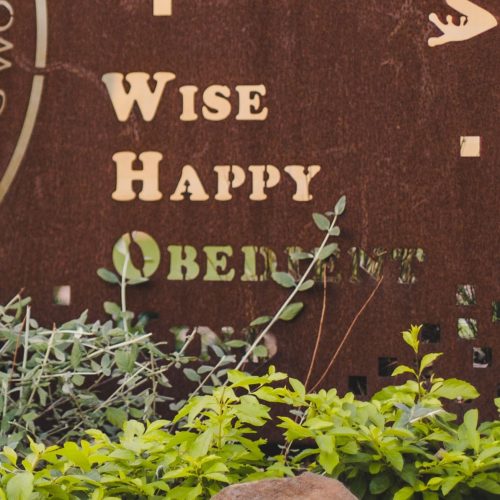
Interestingly, you will not find WHOK in the dictionary, and while a Google search may offer a few suggestions, none of them relates to the way we use the acronym. At Kuyper, W.H.O.K. stands for:
Wise
Happy
Obedient
Kind
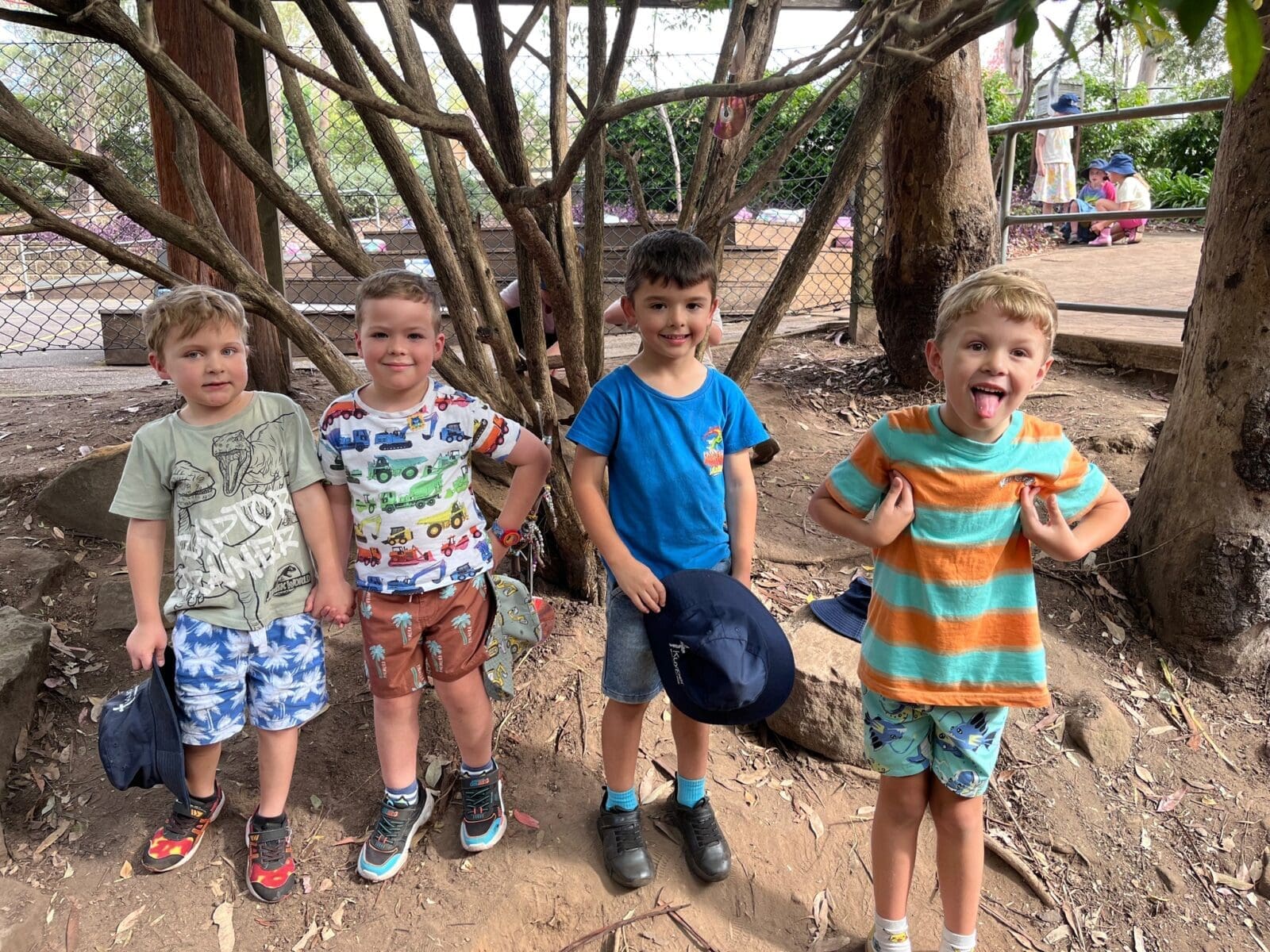
We even have a play space affectionately known as the WHOKery — a reminder that these values are important not only in the classroom, but also in play, friendships, and everyday interactions.
As we are blessed to welcome many new families into our community, I thought it would be helpful to revisit what each of these letters means to us here at Kuyper. This week, I would like to focus on the W — Wise.
As our children learn and grow, wisdom is essential for making good decisions and engaging with others in ways that are beneficial and life-giving. The Bible makes it clear that true wisdom comes from God, and that He gives it generously to those who ask Him.
A wise person seeks to understand God’s world from His perspective and learns to discern between what is wise and unwise, helpful and harmful, productive and unproductive. To grow in wisdom, we need to know what God says in His Word, the Bible, and consider how it applies to the situations before us. This is one of the reasons why reading the Bible with our students is a part of everyday school life at Kuyper.
However, wisdom is more than knowledge or understanding alone; it is reflected in our actions, attitudes, and relationships. Wisdom enables students to respond thoughtfully in challenging situations, rather than being easily unsettled by them. It also equips them to support and care for others well.
At both school and home, our children are given opportunities to develop and practise wisdom in safe and supportive environments. With guidance and care, they learn to celebrate successes, reflect on mistakes, and grow through the natural consequences that accompany decision-making.
Alongside this, at school, we also seek to develop wisdom by providing opportunities for students to plan, reflect, think ahead, and make thoughtful choices. These learning experiences encourage students to set goals, anticipate challenges, manage resources, and think strategically about the steps required to achieve an outcome.
Students are also encouraged to be forward-thinking and imaginative — using their God-given creativity to explore new possibilities and experiences. Wisdom shapes not only present decisions, but future ones as well.
While wisdom is far more than knowledge alone, we also value the development of understanding. We want our students to think deeply, draw meaning from what they learn, identify important ideas, and grow in their understanding of God’s world and their place in it.
It is this kind of wisdom that the W in W.H.O.K. points to.
I share these reflections with you as valued partners in your children’s education, with the hope that the conversations taking place at school will continue in your homes. Together, may we encourage our children to seek the wisdom that comes from God, remembering that “wisdom is indeed more precious than gold.” (Psalm 19:9-10)
WHOKery Wonderment 🙂